

























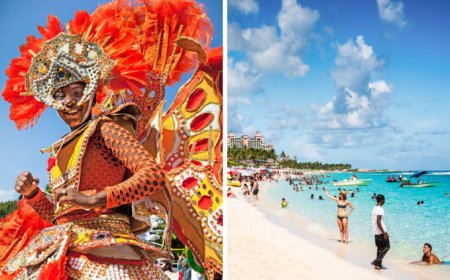









Cultural Etiquette Tips for Travelers
Cultural etiquette plays an essential role in creating respectful and enjoyable travel experiences. Understanding local customs helps travellers communicate effectively, avoid misunderstandings, and build positive relationships with the communities they visit. Every destination has its own traditions, social expectations, and cultural values, so taking the time to learn basic etiquette before travelling demonstrates respect and cultural awareness. Good etiquette begins with simple actions such as greeting people politely, using basic local phrases, listening patiently, and respecting personal space. Dress codes should also be considered, particularly when visiting religious sites, government buildings, or traditional communities where modest clothing may be expected. During meals, travellers should observe local dining customs, show appreciation for traditional cuisine, and understand local tipping practices, which vary from country to country.

Travelling offers much more than visiting famous landmarks or relaxing on beautiful beaches. It provides an opportunity to experience different cultures, meet local people, and learn how communities live, celebrate, and interact with one another. While every destination has its own traditions, customs, and social expectations, travellers who understand and respect local etiquette often enjoy more meaningful and rewarding experiences.

Cultural etiquette refers to the accepted ways of behaving within a particular society. It includes everything from greetings and dining manners to dress codes, public behaviour, and respect for religious or historical sites. These customs may seem unfamiliar at first, but they help maintain harmony within local communities and reflect values that have developed over many generations.
The Caribbean, like many regions of the world, is culturally diverse. Its traditions have been shaped by Indigenous peoples, African heritage, European colonisation, Indian migration, Chinese communities, Middle Eastern influences, and modern global connections. As a result, customs may vary between islands, and understanding these differences can help visitors interact respectfully with local residents.
Practising good cultural etiquette does not require memorising every local tradition. Instead, it involves showing courtesy, being willing to learn, observing local behaviour, and adapting when appropriate. Simple gestures such as greeting people politely, dressing appropriately, respecting community customs, and showing patience often leave a positive impression.
This guide explores practical cultural etiquette tips that can help travellers communicate effectively, avoid misunderstandings, and build respectful relationships while visiting different destinations.
Why Cultural Etiquette Matters
Respecting local customs benefits both travellers and host communities.
When visitors understand local expectations, everyday interactions become easier and more enjoyable. Conversations feel more natural, service encounters become smoother, and opportunities for genuine cultural exchange increase.
Many destinations depend heavily on tourism. Visitors who demonstrate respect for local traditions contribute positively to the community while encouraging sustainable tourism practices. Local residents are often more willing to share stories, recommend hidden attractions, and explain cultural traditions when they feel respected.
Ignoring local etiquette, even unintentionally, may create uncomfortable situations. Behaviour that seems perfectly acceptable in one country may be considered impolite or inappropriate elsewhere.
Learning about local customs before travelling therefore helps avoid misunderstandings while demonstrating appreciation for the destination's cultural heritage.
Understanding Cultural Differences
Every society develops its own social norms based on history, religion, geography, family traditions, and community values.
For example, some cultures encourage informal conversation between strangers, while others value greater personal privacy. Some countries expect punctuality for every appointment, whereas others take a more relaxed approach to time.
Rather than assuming one's own customs are universal, experienced travellers recognise that different approaches are simply different rather than right or wrong.
Maintaining an open mind makes travel more enjoyable while reducing unnecessary cultural misunderstandings.
Observing how local people interact often provides useful guidance for visitors adjusting to unfamiliar environments.
First Impressions Matter
Initial interactions frequently shape the rest of a visitor's experience.
Whether checking into a hotel, entering a restaurant, meeting a tour guide, or speaking with local residents, polite behaviour helps establish positive relationships.
Smiling naturally, making appropriate eye contact, greeting people respectfully, and speaking patiently create welcoming interactions.
Many communities appreciate visitors who make even small efforts to use local greetings or basic phrases.
Showing genuine interest in local culture often receives a warm response from residents.
Greetings around the World
Greetings vary considerably between cultures.
In many Caribbean countries, greeting someone before asking a question is considered a sign of respect. Walking into a small shop without acknowledging staff may appear impolite, even if unintentional.
Simple greetings such as "Good morning," "Good afternoon," or "Good evening" are widely appreciated throughout the region.
Some communities also use local expressions alongside English, Spanish, French, Dutch, or Creole languages depending on the destination.
Taking a moment to greet people politely often leads to friendlier conversations and better service.
Using Local Language
Travellers are not expected to become fluent in another language.
However, learning a few basic expressions demonstrates respect and appreciation for local culture.
Words such as "please," "thank you," "excuse me," "good morning," and "goodbye" are among the most useful phrases to learn before arrival.
Even if pronunciation is not perfect, most local residents appreciate the effort.
Translation applications can also assist when communicating in unfamiliar languages, although polite human interaction remains more valuable than technology alone.
Speaking Respectfully
Good communication involves more than choosing the right words.
Speaking calmly, avoiding interruptions, listening carefully, and maintaining a friendly tone help create positive conversations.
When misunderstandings occur because of language differences, patience is usually more effective than speaking louder.
Many international travellers mistakenly assume volume improves understanding.
Instead, speaking slowly and using simple vocabulary usually produces better communication.
Showing appreciation when someone helps with directions or information encourages respectful exchanges.
Understanding Personal Space
Personal space differs between cultures.
Some societies are comfortable with closer conversational distance, while others prefer greater physical separation.
Observing local behaviour provides useful guidance.
Standing too close or moving too far away may unintentionally create discomfort.
Similarly, physical contact such as hugs or touching someone's shoulder should generally follow local customs rather than personal habits.
When uncertain, allowing local residents to guide the interaction remains the safest approach.
Dress Codes and Appropriate Clothing
Clothing communicates respect as well as personal style.
Although many tourist destinations have relaxed dress standards, local communities often maintain expectations regarding appropriate attire in public places.
Beachwear is usually suitable only at beaches and swimming pools.
Entering restaurants, shops, museums, churches, or government buildings while wearing swimwear may be considered disrespectful.
Carrying a lightweight shirt or cover-up allows travellers to move comfortably between beaches and public areas.
Understanding local dress expectations demonstrates cultural awareness.
Dressing for Religious Sites
Religious buildings deserve particular respect.
Churches, temples, mosques, synagogues, and other places of worship often request modest clothing regardless of local climate.
Visitors may be expected to cover shoulders and knees before entering.
Some locations also require hats to be removed or shoes to be taken off.
These customs are intended to preserve the dignity of sacred spaces rather than inconvenience visitors.
Reading posted guidelines and following instructions from staff helps ensure respectful visits.
Respecting Local Fashion Norms
Fashion standards vary considerably between destinations.
Urban areas may feature contemporary international styles, while smaller towns or traditional communities often prefer more conservative clothing.
During community festivals, official ceremonies, or family-oriented events, dressing neatly demonstrates respect for the occasion.
Travellers do not need expensive clothing, but clean, appropriate attire is generally appreciated.
Observing what local residents wear provides valuable guidance when uncertain.
Dining Etiquette
Food provides one of the best opportunities to experience another culture.
Dining customs, however, vary between countries.
Understanding local expectations helps visitors participate comfortably while showing appreciation for their hosts.
Whether enjoying street food, family meals, or fine dining, respectful behaviour contributes to positive experiences.
Restaurant Etiquette
Politeness remains important in restaurants worldwide.
Greeting staff upon arrival, waiting to be seated when appropriate, thanking servers, and remaining patient during busy periods create positive interactions.
Service speed may differ from what travellers expect at home.
In many destinations, meals are intended to be enjoyed at a relaxed pace rather than rushed.
Viewing slower service as part of the dining experience rather than poor customer service helps reduce unnecessary frustration.
Accepting Local Cuisine
Trying traditional dishes demonstrates interest in local culture.
Travellers are not required to eat foods they dislike or cannot consume for medical or religious reasons.
However, expressing appreciation for local cuisine while politely declining unfamiliar foods is generally considered respectful.
Asking questions about ingredients also helps travellers with allergies or dietary restrictions make informed choices.
Many restaurants are happy to explain traditional recipes or suggest suitable alternatives.
Table Manners
Basic table manners remain important across cultures.
Waiting until everyone has been served before beginning the meal, using utensils appropriately, avoiding loud conversations, and thanking hosts afterwards demonstrate courtesy.
In family settings, local customs may differ regarding seating arrangements, serving order, or meal traditions.
Observing others before acting often helps visitors adapt naturally.
When invited into someone's home, expressing gratitude for the hospitality is always appreciated.
Sharing Meals with Local Families
Receiving an invitation to a local home often represents a meaningful cultural experience.
Arriving on time, bringing a small gift where appropriate, complimenting the meal sincerely, and offering thanks before leaving help demonstrate appreciation.
Visitors should avoid criticising unfamiliar foods or comparing local customs negatively with those of their own country.
Showing curiosity about family recipes or traditional cooking methods often encourages enjoyable conversations.
Such experiences frequently become some of the most memorable moments of international travel.
Tipping Customs
Tipping practices vary significantly between countries.
Some destinations include service charges in restaurant bills, while others leave tipping entirely to the customer's discretion.
Travellers should research local practices before arrival to avoid confusion.
Overtipping may occasionally create unrealistic expectations, while failing to tip where customary can appear discourteous.
Hotel staff, tour guides, taxi drivers, and restaurant employees may all have different tipping expectations depending on the destination.
Understanding local customs helps visitors show appreciation appropriately.
Cash or Card for Tips
Although electronic payments continue expanding globally, cash remains the preferred method for tips in many destinations.
Carrying small denominations of local currency makes tipping easier for hotel staff, drivers, guides, and restaurant employees.
Travellers should avoid assuming tips can always be added to credit card payments.
Checking local payment practices before travelling reduces inconvenience.
Respecting Local Traditions
Every destination has traditions that contribute to its unique identity.
These may include festivals, religious ceremonies, music, dance, storytelling, crafts, or family customs passed from one generation to another.
Visitors who approach these traditions respectfully often gain richer cultural experiences.
Observing before participating allows travellers to understand the significance of local customs rather than treating them simply as tourist attractions.
Showing genuine interest encourages meaningful conversations with local residents.
Festivals and Community Celebrations
Local festivals offer excellent opportunities to experience authentic culture.
Many celebrations welcome visitors, but respectful behaviour remains essential.
Following instructions from organisers, respecting designated viewing areas, avoiding disruption of performances, and dressing appropriately demonstrate courtesy.
Supporting local artisans, musicians, food vendors, and cultural organisations also contributes directly to community economies.
Rather than viewing festivals solely as entertainment, travellers should recognise their historical and cultural significance.
Learning through Observation
One of the simplest etiquette strategies involves careful observation.
Watching how local residents greet one another, queue, interact in restaurants, or behave during ceremonies provides valuable guidance without requiring extensive research.
If uncertain, politely asking a guide or local resident for advice is usually welcomed.
Most people appreciate visitors who sincerely wish to understand their culture.
Curiosity combined with humility creates positive cultural exchanges throughout any journey.
Respecting Religious and Cultural Sites
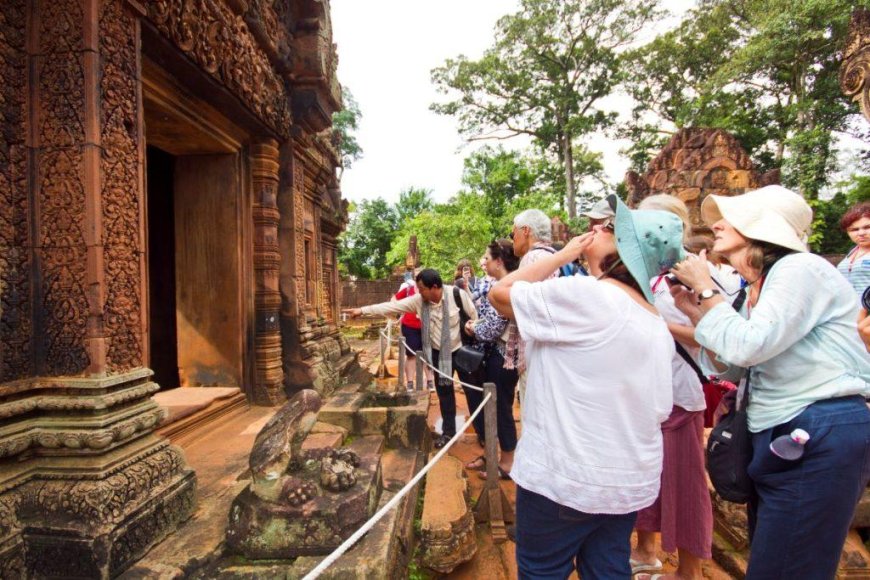
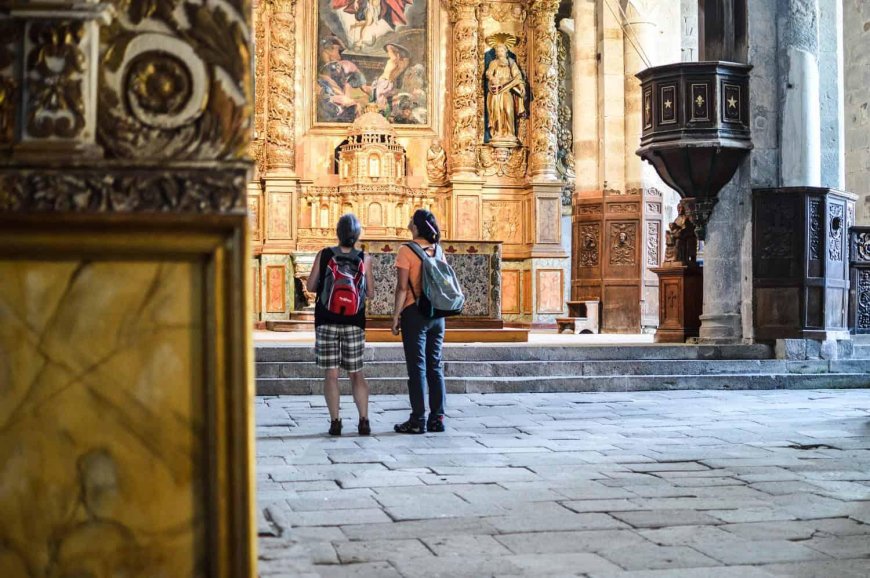
Religious and cultural landmarks are among the most visited attractions in the world. Churches, temples, mosques, synagogues, monasteries, historical monuments, and sacred natural sites hold deep meaning for local communities. While these places often welcome visitors, they are first and foremost locations of worship, remembrance, and cultural heritage rather than tourist attractions.
Travellers should approach these sites with respect by following local rules and observing the behaviour of worshippers. Speaking quietly, turning mobile phones to silent mode, and avoiding unnecessary noise help maintain a peaceful atmosphere. In many locations, visitors are expected to remove hats, cover their shoulders or knees, or remove their shoes before entering. Signs are usually displayed at entrances, and staff members are available to provide guidance when needed.
Respect also means avoiding behaviour that distracts from religious ceremonies. Walking across prayer areas, interrupting worshippers, or treating sacred spaces as photography backdrops can be considered disrespectful. By following local customs, travellers demonstrate appreciation for the beliefs and traditions of the community.
Understanding Sacred Customs
Every culture has customs that may seem unfamiliar to visitors. Some religious sites have separate areas for worshippers and tourists, while others may restrict entry during ceremonies or special events. Certain objects, statues, altars, or memorials may not be touched, and offerings left by worshippers should never be disturbed.
Travellers should remember that these customs are part of living traditions rather than historical displays. Asking questions politely when unsure is generally welcomed, and local guides often enjoy explaining the history and significance of important sites.
Showing patience and respect creates a more meaningful experience while helping preserve these places for future generations.
Photography Etiquette
Photography allows travellers to capture memories, but not every moment should be photographed. Respecting photography rules is an important part of cultural etiquette.
Many museums, galleries, temples, churches, and heritage sites restrict photography entirely or prohibit flash photography to protect valuable artwork and historical objects. Visitors should always check posted signs before taking pictures.
Equally important is respecting people's privacy. Not everyone wishes to appear in photographs, particularly during religious ceremonies, family gatherings, or personal moments. Asking permission before taking close-up photographs is considered courteous in most cultures.
If someone declines, their decision should be accepted without argument. Respect for personal privacy is more valuable than obtaining a photograph.
Responsible Social Media Sharing
Modern travel often includes sharing experiences online, but cultural sensitivity should continue after photographs are taken.
Travellers should avoid posting images that may embarrass local people or misrepresent cultural practices. Captions should accurately describe traditions without relying on stereotypes or inaccurate assumptions.
Respecting privacy extends to social media. Photos of children, religious ceremonies, or private homes should only be shared when permission has been granted.
Responsible online behaviour helps promote respectful tourism while protecting the dignity of local communities.
Environmental Responsibility
Respecting culture also includes respecting the natural environment. Many destinations depend on healthy ecosystems for tourism, fishing, agriculture, and everyday life.
Visitors should avoid leaving litter, damaging coral reefs, feeding wildlife, or removing shells, plants, or historical objects from protected areas. Even small actions can have lasting environmental consequences.
Reusable water bottles, shopping bags, and refillable containers help reduce plastic waste, while choosing environmentally responsible tour operators supports sustainable tourism.
Travellers who care for local environments contribute positively to the communities they visit.
Respecting Wildlife
Wildlife encounters are often highlights of international travel, particularly in tropical destinations.
Animals should always be observed from safe distances without disturbing their natural behaviour. Feeding wild animals may seem harmless but can alter feeding habits and create health risks.
Responsible wildlife tourism also means avoiding attractions that exploit animals for entertainment.
Choosing licensed eco-tourism operators helps protect biodiversity while supporting conservation efforts.
Shopping Etiquette
Shopping provides an opportunity to support local businesses and discover traditional crafts, foods, and handmade products.
Polite greetings before asking prices are appreciated in many countries, especially when visiting smaller family-owned shops or local markets.
Handling merchandise carefully and treating vendors respectfully contribute to positive interactions.
Travellers should remember that local markets often represent family livelihoods rather than tourist attractions.
Buying authentic locally produced goods also supports community economies and helps preserve traditional craftsmanship.
Bargaining Customs
Negotiating prices is common in some countries but uncommon in others.
Travellers should learn local practices before attempting to bargain.
Where bargaining is accepted, negotiations should remain friendly and respectful rather than confrontational. Demanding unrealistic discounts may be considered impolite, particularly when dealing with small independent vendors.
If a price cannot be agreed upon, politely thanking the seller and walking away is usually acceptable.
In fixed-price shops, supermarkets, and department stores, bargaining is generally not appropriate.
Understanding the difference helps visitors avoid uncomfortable situations.
Respecting Local Businesses
Supporting local businesses benefits both travellers and host communities.
Choosing locally owned restaurants, guesthouses, craft markets, and tour companies allows tourism spending to remain within the destination.
Showing patience during busy periods, paying fairly, and leaving honest reviews contribute positively to sustainable tourism.
Local business owners often share valuable recommendations about nearby attractions, cultural events, and traditional customs that visitors might otherwise miss.
Public Behaviour
Behaviour in public spaces reflects respect for the destination and its residents.
Although customs differ between countries, courtesy, patience, and consideration are appreciated almost everywhere.
Avoiding loud conversations, inappropriate language, excessive public intoxication, or disruptive behaviour helps create positive interactions.
Some cultures are comfortable with expressive conversation, while others value quieter public behaviour.
Observing local norms provides useful guidance.
Visitors should also respect queues, pedestrian crossings, public seating, and community facilities.
Simple acts of consideration demonstrate appreciation for the places being visited.
Alcohol Consumption
Alcohol laws and social expectations vary considerably.
Some destinations encourage nightlife, while others maintain stricter standards regarding public drinking.
Travellers should understand local regulations concerning alcohol consumption, especially near religious sites, government buildings, schools, or family-oriented public spaces.
Responsible drinking helps ensure personal safety while respecting local customs.
Transportation Etiquette
Public transportation offers valuable opportunities to observe everyday local life.
Whether travelling by bus, train, ferry, taxi, or shared transport, polite behaviour contributes to comfortable journeys for everyone.
Waiting patiently, offering seats to elderly passengers or those with disabilities, speaking quietly, and respecting personal space are widely appreciated.
Travellers should follow instructions from drivers and transport staff, particularly regarding luggage and safety requirements.
In some destinations, greeting drivers or fellow passengers is considered courteous and helps create a friendly atmosphere.
Respecting Local Traffic Rules
Traffic customs vary between countries.
Pedestrians should cross roads at designated crossings where available and pay attention to local driving patterns, particularly in destinations where traffic travels on the opposite side of the road.
Cyclists and scooter users should follow local safety regulations, including wearing helmets where required.
Respecting transportation rules improves safety for both visitors and local residents.
Practical Travel Tips for Cultural Respect
Preparing before departure greatly improves travel experiences.
Reading about local customs, holidays, laws, and social expectations helps travellers avoid misunderstandings.
Learning a few local greetings, understanding currency practices, researching tipping customs, and checking dress recommendations all contribute to smoother interactions.
Maintaining flexibility is equally important.
Travel rarely unfolds exactly as planned, and cultural differences sometimes require patience.
Approaching unfamiliar situations with curiosity rather than frustration encourages positive experiences.
Building Positive Relationships
Many memorable travel experiences begin with simple conversations.
Showing interest in local history, asking respectful questions, and listening carefully encourage meaningful exchanges.
Travellers should avoid assuming that everyone shares the same opinions, customs, or lifestyles found in their own country.
Instead, genuine curiosity helps build mutual understanding.
Respectful conversations often lead to recommendations for local restaurants, festivals, scenic locations, and cultural experiences unavailable through guidebooks.
Common Cultural Mistakes to Avoid
Most cultural misunderstandings result from lack of awareness rather than intentional disrespect.
One common mistake is assuming that customs familiar at home apply everywhere. Greeting people too casually, ignoring local dress expectations, or speaking loudly in quiet settings may unintentionally create negative impressions.
Another frequent mistake involves rushing interactions. In many cultures, polite conversation before discussing business or asking for assistance is considered good manners.
Failing to learn even basic local greetings can also appear dismissive, especially in smaller communities where personal relationships remain important.
Travellers should avoid criticising local customs, comparing destinations negatively with their own country, or making assumptions based on stereotypes.
Respectful observation and willingness to learn usually prevent most cultural difficulties.
Becoming a Responsible Global Traveller
Responsible travel extends beyond sightseeing.
It involves recognising that visitors are temporary guests within communities that have their own histories, traditions, and values.
Supporting local businesses, respecting historical sites, protecting the environment, learning about cultural heritage, and interacting politely all contribute to positive tourism.
Every respectful interaction strengthens relationships between visitors and host communities.
As international travel continues to grow, responsible behaviour becomes increasingly important for preserving cultural diversity and supporting sustainable tourism.
The Long-Term Value of Cultural Awareness
Cultural etiquette offers benefits long after a journey ends.
Travellers who approach different cultures with respect often return home with broader perspectives, stronger communication skills, and greater appreciation for global diversity.
Meaningful travel experiences are rarely measured only by the number of attractions visited.
Instead, they are shaped by conversations with local residents, participation in cultural traditions, shared meals, and moments of mutual understanding.
Respect opens doors to experiences that many visitors never discover.
Conclusion
Cultural etiquette is one of the most valuable travel skills anyone can develop. Respecting religious sites, asking permission before taking photographs, protecting the environment, supporting local businesses, understanding shopping customs, behaving responsibly in public, and following transportation etiquette all contribute to positive relationships with local communities.
Travellers who prepare in advance, remain open-minded, and adapt to local customs often enjoy richer and more authentic experiences than those who focus only on sightseeing. Small gestures such as greeting people politely, dressing appropriately, listening carefully, and showing appreciation for local traditions create lasting positive impressions.
Ultimately, successful travel is not only about exploring new places but also about understanding and respecting the people who call those places home. By practising cultural awareness and responsible behaviour, travellers become thoughtful global guests who help preserve traditions, support local communities, and encourage sustainable tourism for future generations.
What's Your Reaction?
 Like
0
Like
0
 Dislike
0
Dislike
0
 Love
0
Love
0
 Funny
0
Funny
0
 Angry
0
Angry
0
 Sad
0
Sad
0
 Wow
0
Wow
0