

































Caribbean Soursop: How Locals Use It in Cuisine
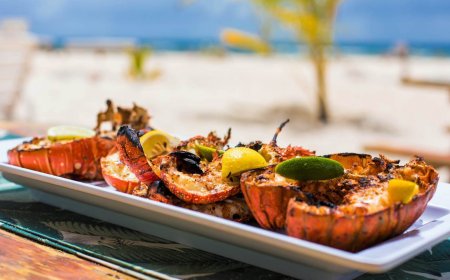
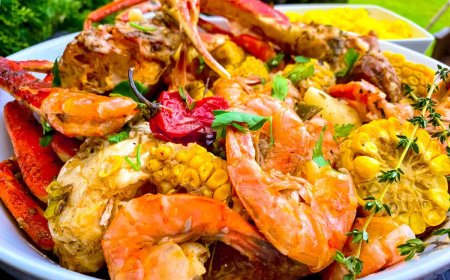
Soursop (Annona muricata) is one of the Caribbean's most popular tropical fruits and has been an important part of the region's cuisine for generations. Recognised by its green, spiky skin and creamy white flesh, soursop is widely grown in countries such as Jamaica, Trinidad and Tobago, Barbados, Grenada, Saint Lucia, Dominica, Antigua and Barbuda, and Puerto Rico. Its sweet and tangy flavour makes it a versatile ingredient in both traditional and modern Caribbean cooking. Local communities commonly use ripe soursop to prepare fresh juices, smoothies, milkshakes, ice creams, sorbets, jams, puddings, cakes, pastries, and frozen desserts. It is also increasingly used in savoury recipes, including marinades, sauces, and seafood dishes, where its mild acidity adds balance to the flavours. Many Caribbean cafés, restaurants, and street vendors serve freshly prepared soursop drinks and desserts made with locally harvested fruit.

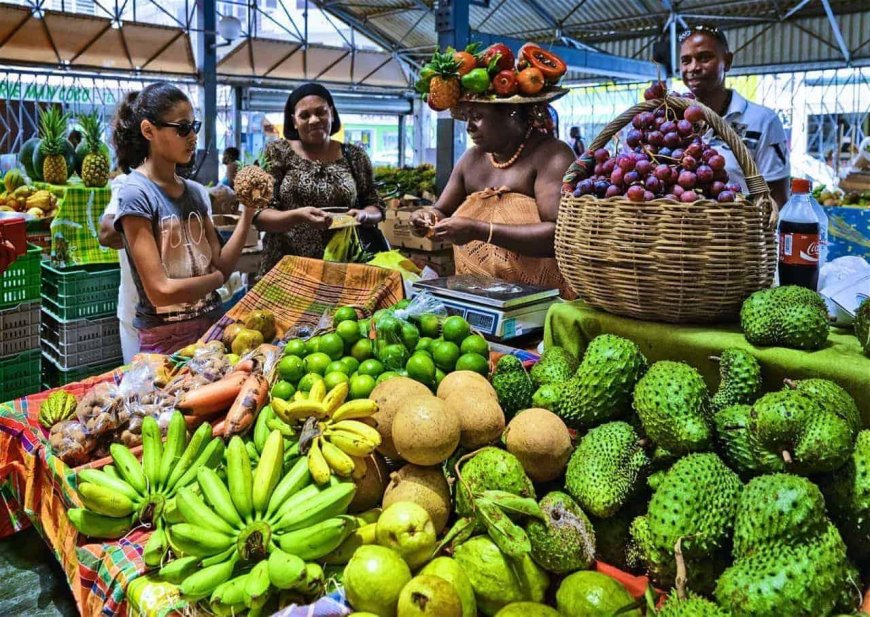
Sour soup is one of the Caribbean's most distinctive tropical fruits. Known for its green, spiky skin and soft white flesh, it has been part of Caribbean food traditions for generations. The fruit grows throughout the region, including Jamaica, Trinidad and Tobago, Barbados, Grenada, Saint Lucia, Dominica, Antigua and Barbuda, Puerto Rico, and several other islands where the warm, humid climate supports healthy growth.

Scientifically known as Annona muricata, soursop is valued for its unique flavour, which combines notes of pineapple, strawberry, citrus, banana, and creamy coconut. This combination makes it suitable for both sweet and savoury recipes. Caribbean households use ripe soursop in juices, smoothies, desserts, ice creams, jams, and baked goods, while some cooks incorporate it into sauces, marinades, and refreshing beverages.
Beyond its culinary importance, soursop has long been associated with traditional home remedies throughout the Caribbean. While many people enjoy soursop tea and other preparations for cultural and wellness reasons, modern scientific research continues to investigate its nutritional properties. It is important to distinguish between traditional uses and medically proven benefits, as many health claims circulating online remain unsupported by strong clinical evidence.
Today, interest in tropical fruits continues to grow internationally. Restaurants, chefs, and food producers increasingly feature soursop in creative recipes while maintaining respect for traditional Caribbean cooking methods. This guide explores how Caribbean communities use soursop in everyday cuisine, its nutritional profile, preparation methods, regional variations, and its growing role in modern gastronomy.
Understanding Soursop
Soursop belongs to the custard apple family and produces one of the largest edible fruits within the group. Mature fruits can weigh anywhere from one kilogram to several kilograms depending on the variety and growing conditions.
The fruit's exterior is covered with soft, curved spines rather than sharp thorns. When ripe, the skin becomes slightly softer while remaining green. Inside, creamy white flesh surrounds numerous black seeds that must be removed before eating.
Because ripe soursop softens quickly, it is generally consumed soon after harvesting. Local markets across the Caribbean often sell freshly harvested fruit during peak growing seasons, allowing residents to enjoy its full flavour before it begins to deteriorate.
A Long History in Caribbean Food Culture
Soursop has been cultivated throughout tropical regions of the Americas for centuries. Indigenous communities were familiar with the fruit long before European colonisation, and over time it became integrated into Caribbean agriculture and cuisine.
As different cultures settled across the islands, African, European, Indian, and Indigenous culinary traditions blended together. Soursop naturally became part of this evolving food culture because it was widely available and adaptable to many recipes.
Today, family recipes featuring soursop are commonly passed from one generation to another. Many households have a soursop tree growing in the yard, making fresh fruit easily accessible during harvest periods.
Choosing the Best Soursop
Selecting a ripe soursop requires careful observation.
A mature fruit should feel slightly soft when gently pressed without becoming mushy. The skin remains green but may develop a slightly yellow tint depending on the variety. The soft spines also flatten slightly as the fruit ripens.
Extremely hard fruits usually require several days at room temperature before becoming ready to eat. Overripe fruits develop excessive softness and may ferment quickly in tropical temperatures.
Many Caribbean families purchase mature but firm fruits and allow them to finish ripening naturally at home.
Preparing Soursop for Cooking
Preparing soursop is relatively straightforward but requires attention because of its numerous seeds.
After washing the fruit, cooks cut it lengthwise and remove the thick outer skin. The white flesh is then separated by hand, and every black seed is carefully discarded. The seeds are not eaten.
The prepared pulp can be used immediately or refrigerated for short periods. Some households freeze the pulp in portions for use throughout the year when fresh fruit is unavailable.
Removing seeds completely is important before blending juices or preparing desserts.
Fresh Soursop Juice
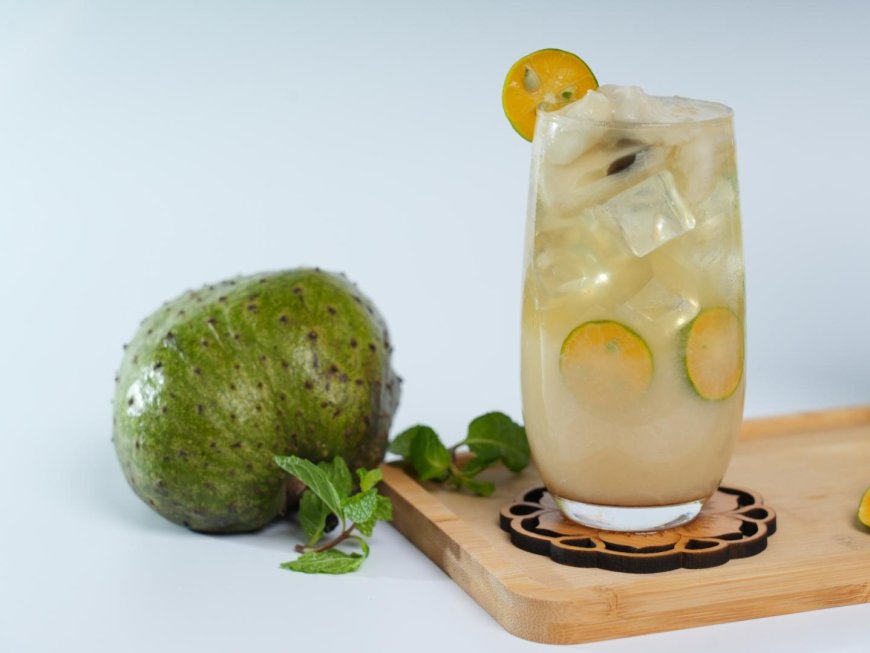
Perhaps the most popular use of soursop throughout the Caribbean is fresh juice.
The fruit pulp is blended with chilled water or milk before being strained to produce a smooth beverage. Depending on personal preference, sugar, honey, or condensed milk may be added.
Some recipes include lime juice, vanilla, cinnamon, or grated nutmeg to enhance flavour. Others rely entirely on the fruit's natural sweetness.
Fresh soursop juice is commonly served during hot weather because of its refreshing taste and creamy texture.
Many roadside stalls and local cafés prepare the drink fresh using fruit harvested nearby.
Smoothies and Breakfast Drinks
Modern Caribbean households increasingly include soursop in breakfast smoothies.
The fruit blends well with banana, mango, pineapple, papaya, coconut milk, oats, yogurt, and citrus fruits.
These smoothies provide a convenient way to enjoy tropical fruit while creating filling breakfasts suitable for busy mornings.
Some health-focused cafés also combine soursop with leafy greens, ginger, or chia seeds for additional nutritional variety.
Traditional Caribbean Desserts
Soursop's creamy consistency makes it ideal for desserts.
Ice cream remains one of the region's favourite preparations. Local ice cream producers often feature seasonal soursop flavours alongside mango, coconut, guava, and passion fruit.
Home cooks prepare puddings, mousses, custards, cheesecakes, fruit tarts, frozen desserts, and fruit parfaits using fresh pulp.
Because the fruit naturally has a rich texture, it often requires less additional thickening than many other tropical fruits.
Soursop sorbet has also become increasingly popular because it highlights the fruit's natural flavour while remaining dairy-free.
Homemade Soursop Jam
Many Caribbean families preserve surplus fruit by preparing jam.
The pulp is slowly cooked with sugar and citrus juice until it reaches a spreadable consistency.
This homemade preserve is served with bread, pastries, pancakes, and traditional baked goods.
Small-scale producers also sell locally made soursop jams at community markets and agricultural fairs.
Preserving fruit in this way allows families to enjoy soursop long after the harvest season has ended.
Baking with Soursop
Although less common than juices or desserts, soursop is increasingly appearing in baked products.
Bakers use the pulp in cakes, muffins, quick breads, cookies, and pastries where its moisture contributes to a soft texture.
Modern Caribbean bakeries often combine soursop with coconut, vanilla, chocolate, or citrus flavours.
These products appeal both to local customers and tourists seeking unique regional desserts.
Soursop in Savoury Cooking
While primarily considered a sweet fruit, soursop also appears in selected savoury dishes.
It’s slightly tangy flavour works well in marinades for seafood, grilled chicken, and pork.
Chefs prepare sauces combining soursop with herbs, peppers, garlic, onions, citrus, and mild spices to accompany grilled fish.
The fruit's natural acidity creates balance without overwhelming the main ingredients.
These recipes demonstrate the versatility of soursop beyond desserts alone.
Frozen Treats
Frozen desserts remain especially popular in the Caribbean's tropical climate.
Soursop popsicles, frozen yogurt, sorbet, and fruit bars are widely enjoyed by both residents and visitors.
Street vendors frequently sell frozen fruit treats made using locally harvested ingredients during warmer months.
These products highlight fresh fruit while requiring relatively simple preparation methods.
Nutritional Profile
Soursop provides several nutrients that contribute to a balanced diet.
The fruit contains vitamin C, dietary fibre, potassium, magnesium, and small amounts of several B vitamins.
Vitamin C supports normal immune function and collagen formation, while dietary fibre contributes to digestive health when consumed as part of a varied diet.
Like many fruits, soursop also contains naturally occurring plant compounds that continue to be studied by researchers.
However, enjoying soursop should be viewed as one part of an overall healthy eating pattern rather than a cure or treatment for disease.
Traditional Herbal Uses
Across the Caribbean, soursop leaves have long been used to prepare herbal teas.
Families have traditionally consumed these teas for relaxation or general wellness based on cultural knowledge passed through generations.
It is important to distinguish these traditional practices from scientific evidence.
Currently, there is insufficient high-quality clinical research to support many health claims promoted online regarding soursop.
Health authorities generally recommend consulting qualified healthcare professionals before using herbal preparations for medical purposes.
Soursop in Caribbean Restaurants
Many restaurants now feature soursop on seasonal menus.
Fine dining establishments incorporate the fruit into desserts, cocktails, sauces, ice creams, and tasting menus highlighting regional ingredients.
Farm-to-table restaurants often source fruit directly from nearby growers, reducing transportation while supporting local agriculture.
Visitors interested in authentic Caribbean cuisine frequently seek restaurants serving freshly prepared soursop dishes.
Agricultural Importance
Soursop contributes to the livelihoods of many small-scale Caribbean farmers.
The fruit is sold through roadside markets, supermarkets, hotels, restaurants, juice producers, and food processing businesses.
Some countries also export frozen pulp, beverages, concentrates, and processed products to international markets serving Caribbean communities abroad.
Government agricultural programmes increasingly encourage diversification through tropical fruit production, helping strengthen rural economies.
Sustainability and Local Farming
Many Caribbean growers cultivate soursop alongside other tropical fruit trees in mixed agricultural systems.
This approach supports biodiversity while reducing dependence on a single crop.
Buying locally grown fruit helps reduce transportation emissions and supports farming families within island communities.
Visitors can often purchase fresh fruit directly from farmers' markets, creating additional economic opportunities for local producers.
Growing International Popularity
Interest in tropical fruit continues expanding worldwide.
Soursop is increasingly appearing in smoothie shops, specialty grocery stores, frozen fruit products, plant-based desserts, and international restaurants outside the Caribbean.
Social media has also introduced many consumers to recipes featuring soursop beverages, desserts, and breakfast bowls.
Despite growing popularity, authentic Caribbean preparation methods remain the foundation of the fruit's culinary identity.
Tips for Visitors
Travellers wishing to try authentic soursop should visit local markets during harvest season.
Fresh fruit generally offers superior flavour compared with heavily processed products.
Juices prepared on-site, handmade ice creams, and desserts from locally owned cafés often provide the most authentic culinary experiences.
Visitors purchasing whole fruit should allow it to ripen naturally before consumption if it remains firm.
When buying frozen pulp, selecting products with minimal added ingredients helps preserve the fruit's natural flavour.
Conclusion
Soursop occupies an important place in Caribbean cuisine because of its versatility, refreshing flavour, and long cultural history. From fresh juices and breakfast smoothies to ice creams, jams, baked goods, sauces, and frozen desserts, the fruit continues to appear in both traditional family recipes and innovative restaurant menus.
Its nutritional value, agricultural importance, and growing international recognition have further strengthened its role in Caribbean food culture. While traditional herbal uses remain part of local heritage, visitors should distinguish cultural practices from scientifically established health benefits.
Whether enjoyed as a chilled drink on a warm afternoon, blended into a tropical smoothie, transformed into homemade ice cream, or incorporated into creative restaurant dishes, soursop remains one of the Caribbean's most treasured fruits. For travellers seeking authentic regional cuisine, tasting fresh soursop offers an opportunity to experience both the flavours and traditions that continue to shape Caribbean culinary heritage.
What's Your Reaction?
 Like
0
Like
0
 Dislike
0
Dislike
0
 Love
0
Love
0
 Funny
0
Funny
0
 Angry
0
Angry
0
 Sad
0
Sad
0
 Wow
0
Wow
0